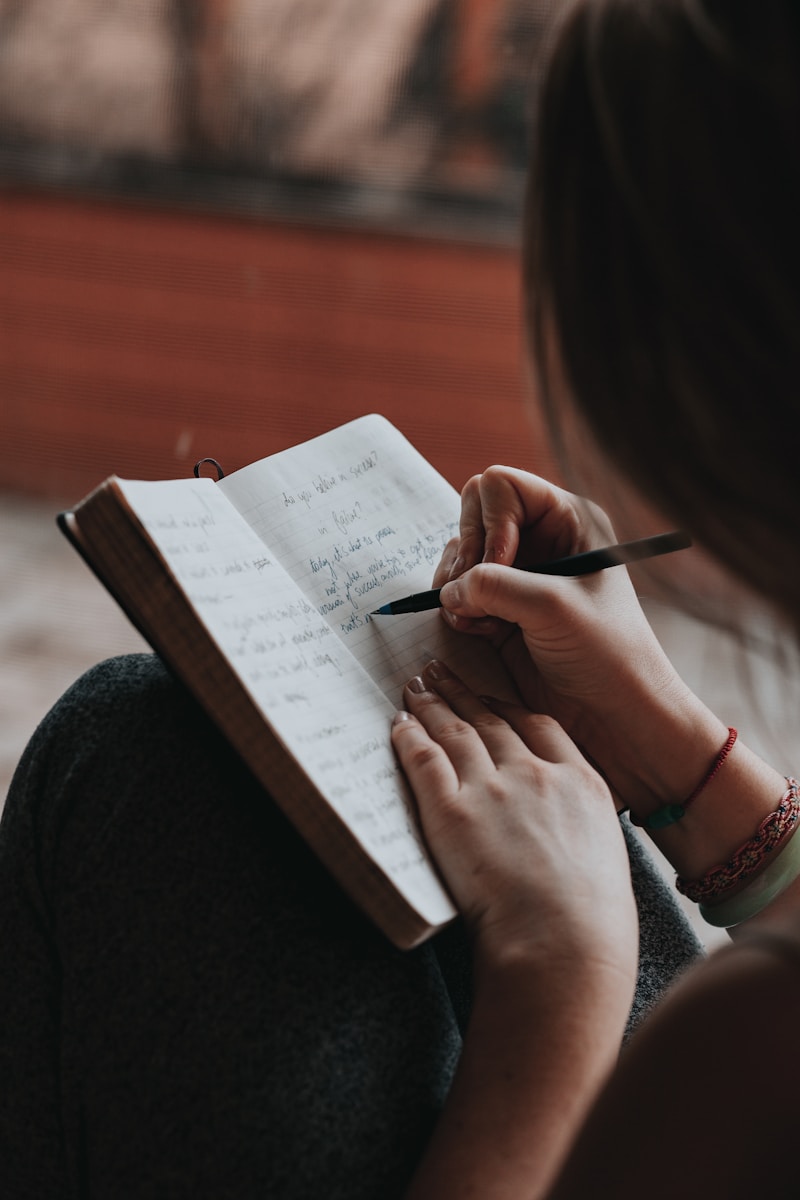
Poetry can feel intimidating. You might worry your words aren’t “good enough,” your rhymes are awkward, or that you’re not a “real poet.” The truth? You don’t need to be perfect. You just need to start.
Every poet begins somewhere. Even famous writers once stared at blank pages unsure what to write. The key is to give yourself permission to experiment, feel, and explore. Here’s a detailed guide to help you start writing poetry, no matter your experience level.
1. Let Go of “Being Good”
The first step is simple but powerful: stop judging yourself.
Many beginners don’t write because they think their poems must be perfect. Poetry is not about perfection. It’s about:
- Expressing feelings
- Sharing ideas
- Exploring thoughts
Even messy drafts are valuable. Writing badly at first is part of learning. The more you write, the more your skills grow.
Tip: Think of your first poems as sketches — rough ideas that will improve with time.
2. Start Small
You don’t need to write a long epic to be a poet.
- Write a 4-line poem about your day.
- Describe a single moment or feeling.
- Capture a single image — a leaf falling, rain on the window, or your morning coffee.
Short poems can be just as powerful as long ones, and starting small keeps you from feeling overwhelmed.
3. Pay Attention to Your Surroundings
Poetry is everywhere if you notice it. Look around and observe:
- Nature: clouds, trees, birds, sunsets
- People: conversations, gestures, expressions
- Everyday objects: a cup of tea, a worn notebook, shoes in the rain
- Sounds: music, city noise, footsteps
Use your senses — sight, sound, touch, taste, and smell — to create vivid, relatable poems.
4. Write About Your Feelings
Emotions are the heart of poetry. Even if you don’t know how to “write poetry,” you can start with how you feel:
- Happiness: a small joy, a laugh with a friend
- Sadness: missing someone, feeling left out
- Anger: frustration at a situation, a personal struggle
- Hope: dreams, goals, or aspirations
The more authentic your emotions, the more your poem will resonate with readers — and with yourself.
5. Use Prompts to Get Started
Writing prompts are a great way to overcome blank-page fear. Here are some ideas:
- Write a poem about a color that matches your mood
- Describe a memory from childhood
- Capture a moment in nature in one paragraph
- Turn a line from a song or book into a poem
- Write a poem in 6 words
Prompts remove the pressure of “what should I write about” and get your creativity flowing.
6. Experiment With Form
Poetry comes in many shapes. Don’t worry about rules at first — try different forms and see what feels natural:
- Free verse: No strict rhyme or rhythm
- Haiku: 3 lines, 5-7-5 syllables
- Acrostic: Words spelled vertically with lines for each letter
- Rhyme schemes: ABAB, AABB, or whatever works for you
Experimenting helps you find your voice and style. Even “bad” poems teach you what works and what doesn’t.
7. Read Other Poets
Reading poetry shows what’s possible. Explore:
- Classic poets like Emily Dickinson, Robert Frost, or Langston Hughes
- Contemporary voices online or in collections
- Poetry blogs, anthologies, or podcasts
Notice how poets use language, imagery, rhythm, and emotion. You’ll start to understand different ways to express yourself.
8. Don’t Worry About Sharing Yet
Your first poems don’t have to be public. Write for yourself first.
- Keep a notebook or digital file
- Label drafts as “work in progress”
- Revise only when you feel ready
Writing privately helps you focus on creativity rather than fear of judgment. Sharing comes later, when you’re comfortable.
9. Set a Routine
Writing a little regularly beats trying to write a perfect poem in one sitting.
- Set a 5–10 minute daily writing goal
- Use a journal or your phone
- Experiment with random ideas
Small, consistent practice builds confidence and skill faster than long, infrequent writing sessions.
10. Embrace Mistakes and Imperfection
No poem is ever truly “finished” or perfect.
- Some lines might feel awkward
- Rhyme may not fit
- Rhythm may stumble
That’s okay. Mistakes are part of the creative process. Every poem teaches you something — about words, feelings, and yourself.
Quick Tips to Remember
- Start small, even a single line counts
- Observe your surroundings and feelings
- Use prompts to spark ideas
- Experiment with different forms
- Read widely to learn from others
- Write privately before sharing
- Keep practicing — even messy writing matters
Final Thoughts
Poetry isn’t about talent — it’s about expression, practice, and courage. Anyone can write poems, even if they think they’re “bad.” The key is to start, explore, and keep experimenting.
Your first poem may be rough. Your tenth poem may surprise you. Your hundredth poem could be something you’re proud of.
The most important step? Pick up your pen and write.