
What Are Audio Poems and Why They’re Gaining Popularity

Poetry has always been about expression, rhythm, and emotion. Traditionally, we read poems on the page, absorbing the words silently. But in recent years, audio poems—poems recorded and performed aloud—have been gaining popularity, offering a fresh way to experience poetry.

What Is an Audio Poem?

An audio poem is a poem presented as sound rather than just text. It can be as simple as a poet reading their work aloud or as elaborate as a performance with background music, sound effects, or multiple voices. Audio poems bring the rhythm, tone, and emotion of the poet’s voice to the listener, creating a more immersive experience.

Why Audio Poems Are Becoming Popular

  1. Accessibility
    Audio poems make poetry available to people who might not usually read it. Listeners can enjoy poems while commuting, exercising, or doing chores—anywhere, anytime.
  2. Emotional Impact
    Hearing a poem performed can deepen its emotional resonance. The poet’s intonation, pacing, and pauses bring life to the words in a way reading silently sometimes cannot.
  3. Digital Platforms & Social Media
    Platforms like WordStack, podcasts, and short-form video apps allow poets to share their audio work instantly. The rise of streaming and social media has made audio poems easier to distribute and discover.
  4. Spoken Word & Performance Poetry Influence
    The growing popularity of slam poetry and spoken word has inspired poets to explore audio as a way to share their work, blurring the line between reading and performing.
  5. Community Engagement
    Audio poems foster interaction between poets and audiences. Listeners can comment, share, and discuss, building a sense of community around the spoken word.

How Poets Can Get Started

Creating an audio poem is simple:

  • Write your poem – start with the words, rhythm, and emotion you want to convey.
  • Choose your format – plain reading, performance, or enhanced with music/sound effects.
  • Record your poem – use a smartphone, microphone, or recording software.
  • Share it – upload to a platform like WordStack, podcast services, or social media.

Even beginners can create powerful audio poems with minimal equipment. The key is clarity, emotion, and pacing.

Why Audio Poems Matter

Audio poems are changing the way people experience poetry. They make poetry more accessible, engaging, and shareable, helping poets reach wider audiences and listeners connect more deeply with the art form.

Platforms like WordStack now give poets a place to post their audio poems, build a profile, and be discovered by readers and listeners from around the world. By embracing audio, poetry is evolving into a form that’s not just read but felt and heard.

Slam Poetry vs Poetry Slam: What’s the Difference?

If you love spoken word or performance poems, you’ve probably heard the terms slam poetry and poetry slam.

Many people use them like they mean the same thing — but they’re actually a little different.

Don’t worry though. It’s easy to understand once you break it down.

Let’s go 👇

What Is Slam Poetry?

Slam poetry is a style of poetry.

It’s written to be performed out loud — not just read quietly.

Slam poetry is usually:

• Emotional
• Powerful
• Honest
• Fast-paced or rhythmic
• About real-life topics like love, pain, identity, injustice, or growth

Poets use their voice, body language, and feelings to bring the poem to life.

Think of slam poetry like music lyrics mixed with storytelling.

What Is a Poetry Slam?

A poetry slam is an event.

It’s where poets perform their slam poetry in front of an audience.

Sometimes it’s just for fun.
Sometimes it’s a competition with judges and scores.

At a poetry slam, you’ll see:

• Poets taking turns performing
• The crowd cheering or snapping fingers
• Strong emotions in the room
• Powerful messages shared live

So basically…

👉 Slam poetry = the poem style
👉 Poetry slam = the performance event

Simple Example

Here’s an easy way to remember it:

You write slam poetry.
You perform it at a poetry slam.

Just like:

You write songs 🎵
You perform them at a concert 🎤

Which Term Should You Use?

Both are common, but they’re used differently.

Use slam poetry when talking about the type of poem.
Use poetry slam when talking about the event or show.

But online, many people casually say “slam poetry” for everything — and that’s okay too.

Why Slam Poetry Is So Popular

Slam poetry connects deeply with people because it:

• Talks about real struggles and emotions
• Feels raw and honest
• Brings poetry to life
• Makes audiences feel something

It’s not just words on paper — it’s an experience.

That’s why poetry slams around the world attract big crowds and young poets especially love this form.

Final Thoughts

So next time someone asks:

👉 Is it slam poetry or poetry slam?

You can say:

Slam poetry is the style of poetry.
Poetry slam is the event where it’s performed.

Both go hand in hand — and both are amazing parts of spoken word culture.

In this article:

slam poetry
poetry slam
what is slam poetry
what is a poetry slam
slam poetry vs poetry slam
spoken word poetry

How to Start Writing Poetry (Even If You Think You’re Bad at It)

Poetry can feel intimidating. You might worry your words aren’t “good enough,” your rhymes are awkward, or that you’re not a “real poet.” The truth? You don’t need to be perfect. You just need to start.

Every poet begins somewhere. Even famous writers once stared at blank pages unsure what to write. The key is to give yourself permission to experiment, feel, and explore. Here’s a detailed guide to help you start writing poetry, no matter your experience level.

1. Let Go of “Being Good”

The first step is simple but powerful: stop judging yourself.

Many beginners don’t write because they think their poems must be perfect. Poetry is not about perfection. It’s about:

  • Expressing feelings
  • Sharing ideas
  • Exploring thoughts

Even messy drafts are valuable. Writing badly at first is part of learning. The more you write, the more your skills grow.

Tip: Think of your first poems as sketches — rough ideas that will improve with time.

2. Start Small

You don’t need to write a long epic to be a poet.

  • Write a 4-line poem about your day.
  • Describe a single moment or feeling.
  • Capture a single image — a leaf falling, rain on the window, or your morning coffee.

Short poems can be just as powerful as long ones, and starting small keeps you from feeling overwhelmed.

3. Pay Attention to Your Surroundings

Poetry is everywhere if you notice it. Look around and observe:

  • Nature: clouds, trees, birds, sunsets
  • People: conversations, gestures, expressions
  • Everyday objects: a cup of tea, a worn notebook, shoes in the rain
  • Sounds: music, city noise, footsteps

Use your senses — sight, sound, touch, taste, and smell — to create vivid, relatable poems.

4. Write About Your Feelings

Emotions are the heart of poetry. Even if you don’t know how to “write poetry,” you can start with how you feel:

  • Happiness: a small joy, a laugh with a friend
  • Sadness: missing someone, feeling left out
  • Anger: frustration at a situation, a personal struggle
  • Hope: dreams, goals, or aspirations

The more authentic your emotions, the more your poem will resonate with readers — and with yourself.

5. Use Prompts to Get Started

Writing prompts are a great way to overcome blank-page fear. Here are some ideas:

  • Write a poem about a color that matches your mood
  • Describe a memory from childhood
  • Capture a moment in nature in one paragraph
  • Turn a line from a song or book into a poem
  • Write a poem in 6 words

Prompts remove the pressure of “what should I write about” and get your creativity flowing.

6. Experiment With Form

Poetry comes in many shapes. Don’t worry about rules at first — try different forms and see what feels natural:

  • Free verse: No strict rhyme or rhythm
  • Haiku: 3 lines, 5-7-5 syllables
  • Acrostic: Words spelled vertically with lines for each letter
  • Rhyme schemes: ABAB, AABB, or whatever works for you

Experimenting helps you find your voice and style. Even “bad” poems teach you what works and what doesn’t.

7. Read Other Poets

Reading poetry shows what’s possible. Explore:

  • Classic poets like Emily Dickinson, Robert Frost, or Langston Hughes
  • Contemporary voices online or in collections
  • Poetry blogs, anthologies, or podcasts

Notice how poets use language, imagery, rhythm, and emotion. You’ll start to understand different ways to express yourself.

8. Don’t Worry About Sharing Yet

Your first poems don’t have to be public. Write for yourself first.

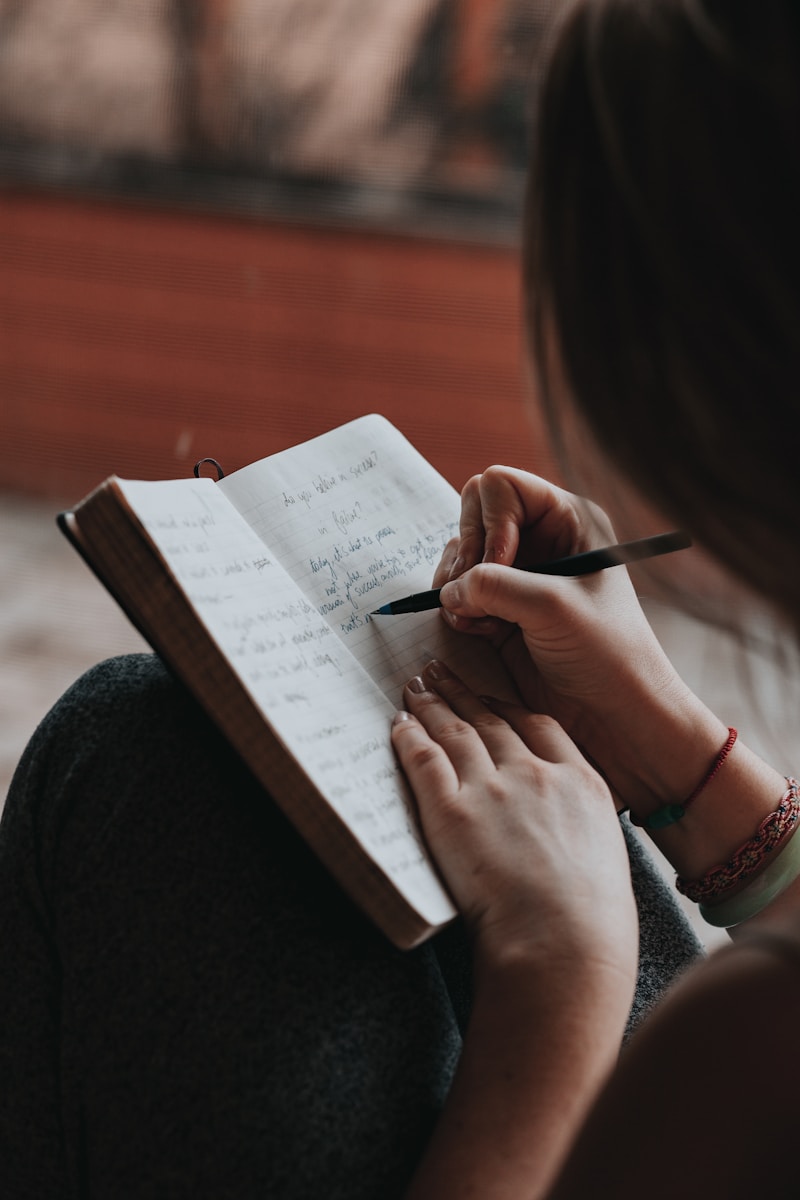
  • Keep a notebook or digital file
  • Label drafts as “work in progress”
  • Revise only when you feel ready

Writing privately helps you focus on creativity rather than fear of judgment. Sharing comes later, when you’re comfortable.

9. Set a Routine

Writing a little regularly beats trying to write a perfect poem in one sitting.

  • Set a 5–10 minute daily writing goal
  • Use a journal or your phone
  • Experiment with random ideas

Small, consistent practice builds confidence and skill faster than long, infrequent writing sessions.

10. Embrace Mistakes and Imperfection

No poem is ever truly “finished” or perfect.

  • Some lines might feel awkward
  • Rhyme may not fit
  • Rhythm may stumble

That’s okay. Mistakes are part of the creative process. Every poem teaches you something — about words, feelings, and yourself.

Quick Tips to Remember

  1. Start small, even a single line counts
  2. Observe your surroundings and feelings
  3. Use prompts to spark ideas
  4. Experiment with different forms
  5. Read widely to learn from others
  6. Write privately before sharing
  7. Keep practicing — even messy writing matters

Final Thoughts

Poetry isn’t about talent — it’s about expression, practice, and courage. Anyone can write poems, even if they think they’re “bad.” The key is to start, explore, and keep experimenting.

Your first poem may be rough. Your tenth poem may surprise you. Your hundredth poem could be something you’re proud of.

The most important step? Pick up your pen and write.